
Otocinclus catfish — also known as Oto catfish or dwarf suckermouth catfish — have a reputation for being finicky. You might buy a group, add them to a clean tank, and watch them slowly disappear over the next few weeks. This unfortunate scenario happens to both beginners and experienced fishkeepers. Many blame water parameters for this issue. However, we believe the problem lies elsewhere. In most cases, the fish were already starving before they left the store — and the home aquarium simply finished the job.
The good news is that Otocinclus are not fragile by nature. They are small, peaceful, and genuinely hardy fish when their real needs are met. Understanding those needs starts with knowing where these fish come from — and the long, difficult road they travel to reach your tank.
Meet the Otocinclus Catfish
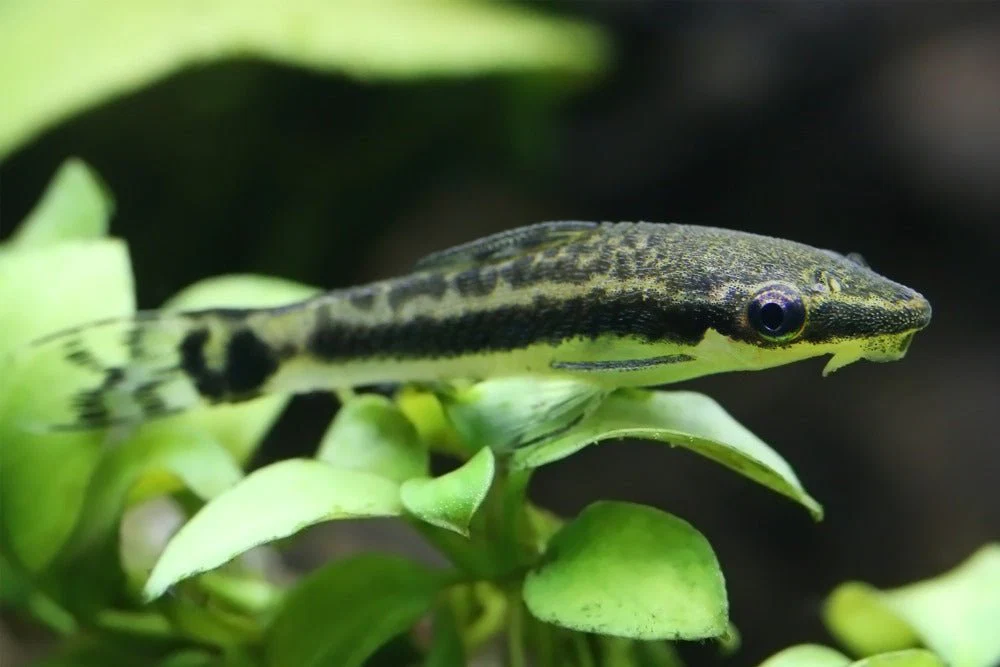
Otocinclus — commonly called Otos, dwarf suckermouth catfish, or Oto catfish — are small armored catfish native to South America. Most species reach a maximum size of around 1.5 inches (3–4 cm), making them one of the smallest catfish available in the hobby. Their natural habitat includes slow-moving rivers, streams, and flooded areas with tannin-stained water, submerged driftwood, and abundant plant growth.
In the wild, they are found in large groups, often numbering dozens or even hundreds of fish together. They graze on biofilm, diatom algae, and green film algae from flat surfaces — glass, leaves, rocks, and wood. This feeding behavior is exactly why hobbyists love them: they are one of the few fish that will methodically clean the glass and surfaces of a planted aquarium. However, that same specialized diet is at the heart of why so many of them fail in home tanks.
A healthy Oto is an active, round-bellied little fish with a purpose. It grazes constantly and rests in visible spots on glass and wood. It is peaceful with every other fish in the tank. When everything is right, they are genuinely rewarding to keep.
Why Otocinclus Fail So Often
The honest answer is this: most Otocinclus arrive at your local fish store already in a compromised state, and most tanks they go into cannot support them. Neither of those is your fault — but knowing about both gives you a real chance to change the outcome.
The Supply Chain Problem
Nearly all Otocinclus sold in the hobby are wild-caught. Unlike many species that are commercially bred in large numbers, Otos are collected directly from rivers in South America. From that moment, they begin a journey that can take three to six weeks before they reach your tank.
At each stage of that journey, the fish are typically held in bare containers or vats with little to no algae, inconsistent feeding, and high stress. By the time an Oto reaches your fish store, its fat reserves are often critically depleted. Its gut health is compromised. It is, in many cases, on the edge of starvation — but it doesn't look that way until it's too late.
The Core Problem
A hollow-bellied Oto placed in a clean, low-algae tank will continue to decline even if your water parameters are perfect. Starvation doesn't announce itself until the fish is already past the point of easy recovery. Most "mysterious deaths" are starvation deaths.
The Tank Maturity Problem
Even when sourced well, Otocinclus require an established tank. A "new" aquarium — even one that has completed the nitrogen cycle — has very little to offer them. There is minimal biofilm. Algae hasn't had time to colonize surfaces. The tank simply isn't ready for a fish that eats almost nothing but what grows on surfaces. The combination of a weakened fish and a food-poor environment is what kills most Otos. Address both, and your results will be dramatically different.
Tank Size & Water Parameters
How Much Space Do They Need?
A 10-gallon tank is often listed as the minimum for Otocinclus, and technically that's true — they are small fish with a low bioload. However, we strongly recommend 20 gallons or larger. Larger tanks offer more stable water parameters, more grazing surface area, and more room to keep a proper group. Stability and food availability matter far more than raw gallons, but bigger tanks give you both.
Water Parameters
Otocinclus are sensitive to water quality, especially ammonia and nitrite. They should never be added to a tank that hasn't fully cycled, and they do best in tanks that have been running for several months. Their ideal parameters are not extreme — this is not a fish that requires soft, acidic Amazon blackwater to survive. They want clean, stable, reasonably soft water.
Setting Up the Environment
Substrate
Sand is the preferred substrate for Otos. It allows them to rest and forage naturally, and uneaten food doesn't get trapped in the gaps the way it can with coarse gravel. Fine gravel works but requires more diligent maintenance to prevent decaying food from affecting water quality.
Driftwood
Driftwood is not just decoration — it is habitat. In nature, Otocinclus congregate on submerged wood, where they feed and find shelter. As driftwood ages in your aquarium, it develops biofilm, algae, and microorganisms that become a critical ongoing food source. The undersides and overhangs of wood are particularly favored resting and grazing spots. If you are serious about keeping Otos long-term, driftwood is not optional.
Plants and Hardscape
Live plants are excellent for Otocinclus tanks. They improve water quality, provide surfaces for biofilm and algae to grow, and offer shelter. Plant leaves — particularly broader-leafed species — become grazing surfaces. Rocks and additional hardscape similarly expand the total surface area available for biofilm colonization, which translates directly into more natural food for your fish.
Lighting
Otos come from relatively dimly lit, tannin-stained environments. Bright, open lighting can cause stress. Floating plants, dense planting, or driftwood that creates shaded areas all help them feel secure. A moderately lit planted tank is ideal — enough light for plants to grow (which means algae grows too), but with enough shelter that the fish don't feel exposed.
Feeding: The Most Important Section
Let’s be direct: the single most common reason Otocinclus die in home aquariums is insufficient food. Not disease. Not bad water. Food. If there is one thing you take from this entire guide, let it be this: you must actively feed your Otos.
What They Actually Eat
Otocinclus are specialized grazers. They excel at removing diatom (brown) algae and green film algae from flat surfaces — glass, broad leaves, smooth rocks, and driftwood. They are not effective against hair algae or filamentous growths. In most well-maintained aquariums, the natural algae present is simply not enough to sustain even a small group over time, especially in a clean, low-nutrient tank.
Supplemental Foods That Work
The following foods should be offered regularly — not as occasional treats, but as a consistent part of your feeding routine:
High-quality sinking algae wafers (kelp-based varieties work well)
Blanched zucchini — slice, blanch briefly in boiling water, cool, and add to the tank
Canned green beans (unsalted) — a convenient alternative to fresh vegetables
Repashy gel foods formulated for herbivores and algae grazers
Sinking pellets with significant plant or algae content
Remove uneaten vegetables within 6 to 24 hours to prevent water quality issues. Zucchini is generally preferred over cucumber, which breaks down more quickly and can foul the water faster.
Check out our tips and tricks for creating Repashy food!
How to Know If They're Eating Enough
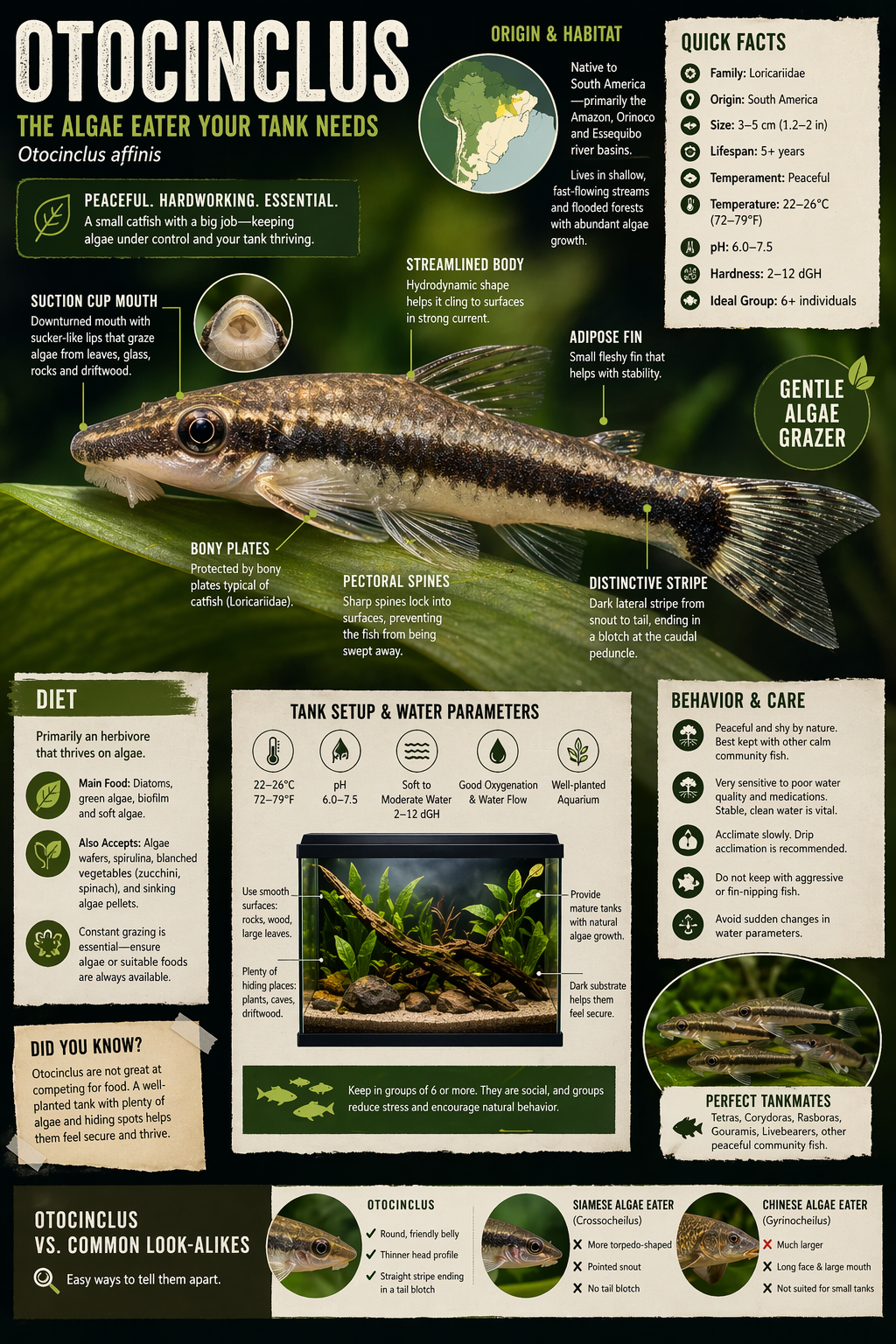
Look at the body shape — specifically the area behind the head and between the fins. A healthy, well-fed Oto has a slightly rounded or full profile in this area. A starving Oto looks pinched-in or hollow behind the head, like the flesh has sunken inward. Check this regularly. A fish that is hiding constantly and not grazing visible surfaces is a fish in trouble.
Group Size & Stocking
In nature, Otocinclus are found in large groups. In the aquarium, they are more confident and active when kept with others — a solitary Oto is a stressed Oto. Most recommendations suggest a minimum group of six, with ten to fifteen fish being ideal in an appropriately sized, food-rich setup.
There is an important trade-off, however. More fish means more food demand. A large group in a low-algae tank with inconsistent supplemental feeding will deplete available food and result in chronic, gradual starvation across the whole group. We recommend matching your group size to what your tank can actually support.
Practical Advice
Start with a moderate group of four to six fish. Feed consistently. Evaluate body condition after six weeks. If the fish are plump and active, your tank can likely support more. If they look thin despite regular feeding, address the food availability issue before adding more fish.
Otocinclus are among the most peaceful fish in the hobby. They are safe with virtually any non-aggressive community fish and are gentle enough for tanks with shrimp and snails. If you keep cherry shrimp, Otocinclus are one of the few fish we confidently recommend as tankmates — they will not bother the shrimp, the eggs, or the fry.
Sourcing & Acclimation
Where you buy your Otocinclus matters more than almost any other variable. The difference between a fish store that understands these fish and one that doesn't can mean the difference between six months of healthy fish and six weeks of slow losses.
What to Look For at the Store
Fish with noticeably round, full bellies — not sunken or hollow behind the head
Active fish that are grazing on the glass or resting in visible spots, not hiding at the bottom
Stores that quarantine Otos for at least two weeks before selling them
Stores that proactively feed them — you should see algae wafers or visible algae in the holding tanks
Tanks that have been up long enough to show visible algae or biofilm on surfaces
If a store's Otos look thin, are hiding, or are in bare tanks with no visible food or algae, walk away. The fish in those conditions have already been through significant stress, and the odds are not in your favor.
Acclimating Them at Home
Drip acclimation is the preferred method for Otocinclus. Float the bag for 15 minutes to equalize temperature, then drip your tank water slowly into the bag over 30 to 60 minutes before netting the fish into the tank. Do not add the bag water to your display tank — there is no benefit to the fish, and it introduces unnecessary risk from pathogens or poor-quality water from the store.
Quarantine
We strongly recommend quarantining new Otocinclus for two to four weeks in a dedicated quarantine tank before adding them to your display. This lets you monitor for disease and, critically, ensure they are eating and regaining body mass before the stress of another tank transition. The best quarantine tank for Otos is one that has been running long enough to have visible algae — let them recover in a food-rich environment, not a bare, sterile container.
On Settling In
Even healthy, well-sourced Otocinclus often take several weeks to fully resume confident grazing after a tank transfer. Give them time — a rough guideline is six weeks before drawing conclusions about whether they are thriving. Consistent feeding during this window is critical.
Breeding Basics
Otocinclus breeding in the home aquarium is uncommon but possible under the right conditions. They are egg layers, and eggs are typically deposited on plant leaves or smooth surfaces. In a community tank, eggs and fry rarely survive — other fish (and often the parents themselves) will consume them before they hatch.
Successful breeding generally requires a species-specific, heavily planted, mature tank with abundant biofilm and algae, and the willingness to remove eggs for separate hatching. It is a rewarding challenge, but it requires fish that are already thriving — breeding Otocinclus is not something to pursue until you have mastered keeping them healthy and well-fed over the long term. Once you are there, it is worth exploring as its own dedicated project.
Common Questions & Troubleshooting
Why did my Otos die in the first week or month?
Almost always a combination of supply chain starvation and insufficient food in the home tank. Fish that arrived already depleted, placed in a young or low-algae tank with no supplemental feeding, will decline and die even with perfect water parameters. Start with better-sourced fish, add them only to mature tanks, and feed proactively from day one.
How do I know if they're eating enough?
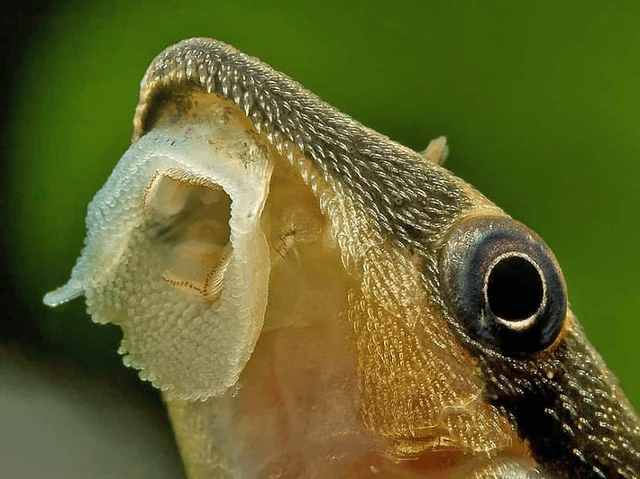
The body shape tells you everything. A well-fed Oto has a noticeably rounded belly, particularly in the area just behind the pectoral fins. A hungry Oto looks pinched or concave in that same area. Check regularly, especially in the first several weeks.
My tank doesn't have much algae. Can I still keep Otos?
Yes, but you have to commit to supplemental feeding. Blanched zucchini, algae wafers, and the Repashy smeared wood technique (described above) allow you to keep Otos successfully in tanks that don't produce much natural algae. The key is consistency — feeding every two to three days at minimum.
Will Otos eat my hair algae?
No. Otocinclus are specialized for grazing flat surfaces — diatoms and green film on glass, leaves, and wood. Hair algae and other filamentous growths are outside their capability. If hair algae is your target, look at nerite snails, amano shrimp, or addressing the root cause of the algae growth instead.
Can I keep Otos with my betta?
Often, yes — with conditions. Otocinclus are completely non-aggressive and non-threatening, which means a calm betta typically ignores them. However, an aggressive betta that harasses anything in its tank will stress Otos into hiding, which disrupts their feeding and health. If you are not sure whether your betta is the right temperament for tankmates, our betta care guide covers what to look for.
How many Otos should I start with?
Four to six is a practical starting point for most beginner setups. This gives them enough social comfort while keeping food demand manageable. Monitor body condition for six weeks. If they are thriving, you can consider adding more.
We carry Otocinclus regularly and they sell fast on Fish Day. If you want to add a real algae crew to your tank, check the arrival list before you come in so you know what's in stock.
See This Week's Fish: finsforgrins.com/newfishday
Visit Us: 1312 N. Elm Pl., Broken Arrow | Mon–Fri 10am–7pm, Sat–Sun 10am–6pm