
The Bottom of the Tank Should Not Feel Empty
Most people watch the middle of the tank first.
That is where the movement is. Tetras, rasboras, angelfish, gouramis, and all the fish that grab attention right away.
But a lot of community tanks still feel unfinished, and the reason is simple. Nothing is happening on the bottom.
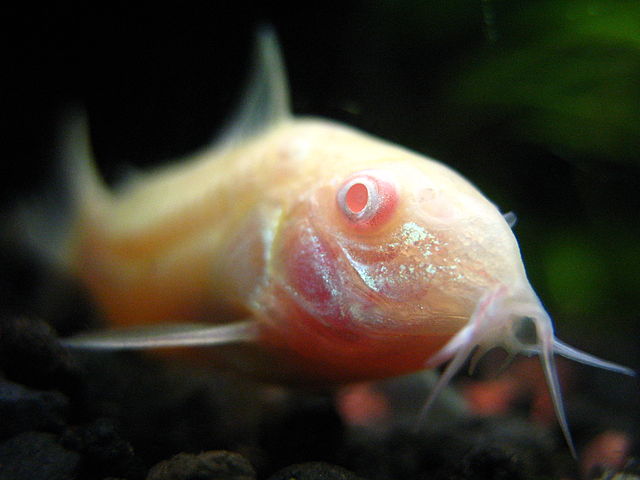
That is where Corydoras make such a difference.
Corydoras are one of the best fish you can add to a freshwater community tank. They are peaceful, active, social, and useful. More than that, they make the tank feel complete. Once you keep a proper group of Corys, it is hard not to notice the difference. The bottom of the tank feels alive instead of empty.
A lot of hobbyists think of Corys as an extra. We do not see them that way. In many setups, they are one of the smartest additions you can make.
Why Corydoras Catfish for Community Tanks Work So Well
Corydoras are scavengers. They work the bottom of the tank looking for uneaten food, which helps keep leftovers from sitting in the substrate and breaking down.
That matters in a real community tank.
Food gets missed. Pellets fall behind wood. Flakes drift into corners. Frozen food settles fast. Corys help clean up what the other fish leave behind.
Still, let’s be clear.
Corydoras are not a shortcut around tank care. They do not replace water changes. They do not fix overfeeding. They do not handle algae. If someone told you Corys are there to “clean the tank,” that is not the right way to think about them.
What they do is help with leftover food at the bottom and make better use of part of the tank many setups ignore. That is useful, and it is one of the reasons a good group of Corys earns its place.
The Biggest Mistake People Make
People buy too few.
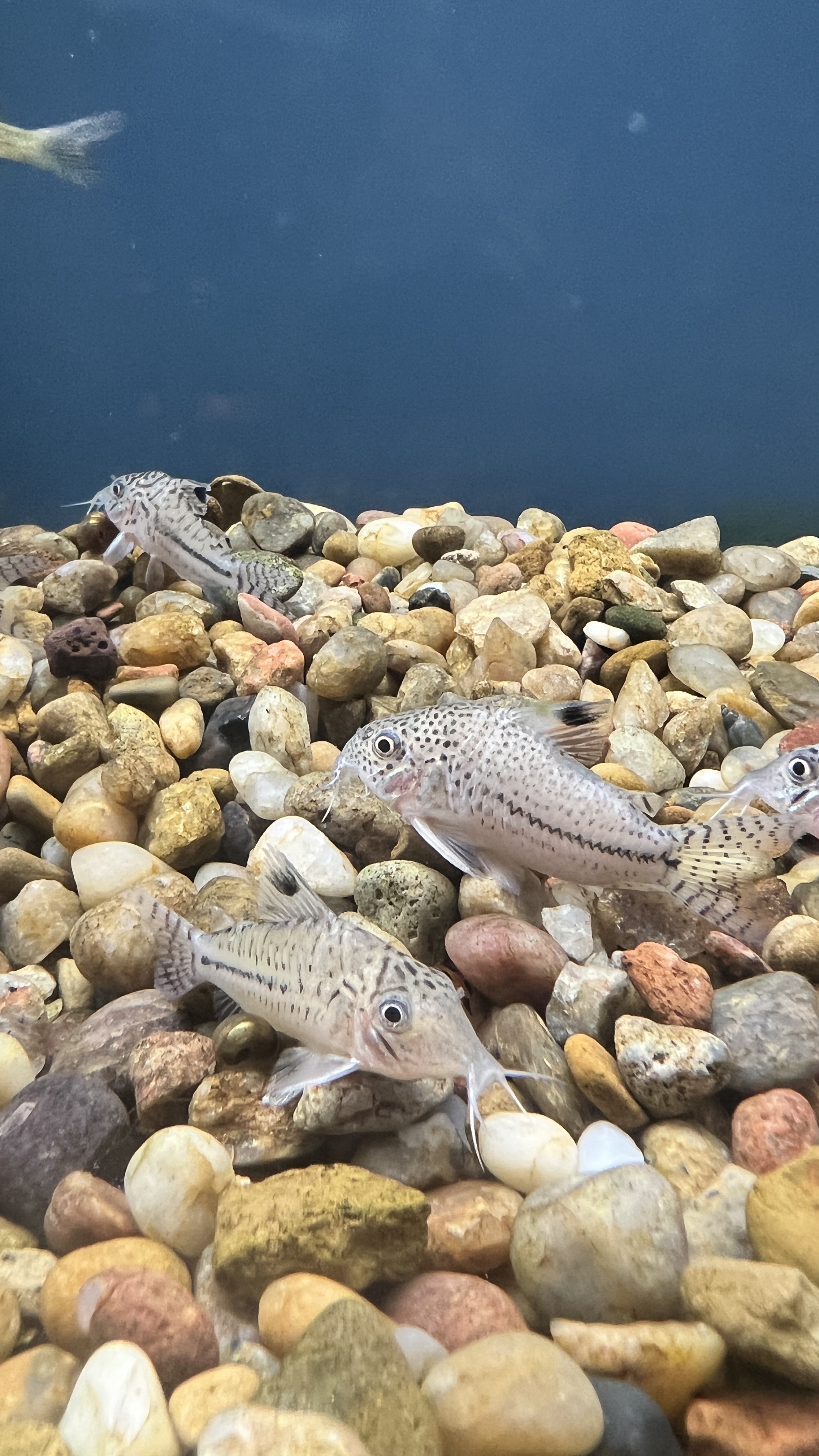
That is the mistake we see over and over.
Corydoras are schooling fish. One, two, or three is not enough. Six of the same species is the minimum, and bigger groups usually look much better.
This is where people miss out on what makes Corys worth keeping.
A proper group is more confident, more active, and much more fun to watch. They move together, rest near each other, work the bottom as a group, and stay out in the open more often. A small group usually hides more and shows very little personality.
If you want Corydoras to look and act like Corydoras, keep a real group.
What Healthy Corydoras Look Like
Healthy Corys stay busy.
They should spend a lot of time moving across the bottom, checking the substrate, and showing interest when food hits the tank. A comfortable group often rests out in the open and does not act nervous all the time.
Look for:
Clean, intact barbels
Gently rounded bellies
Steady activity
Good interest at feeding time
Fish staying with the group instead of always off by themselves
Things that should get your attention:
Worn barbels
Hollow bellies
Long periods of inactivity
Fast breathing
One fish hiding all the time
Fish looking thin even though the tank is being fed
Those little signs tell you a lot.
Water Parameters and General Care
One reason Corydoras are such a popular choice is that many species fit well into normal community tank conditions.
Most commonly kept Corys do well around a pH of 7.0 to 7.6 and temperatures between 72 and 78 degrees. That fits a lot of freshwater community tanks without much trouble.
Still, species matter.
Some Corydoras prefer softer, slightly more acidic water. Most are forgiving. Not all are. It is always worth checking the exact species before bringing them home.
Here are a few common choices:
Bronze Cory Max size: 2.5 inches
Temperature: 72 to 79°F
Minimum tank size: 20 gallons
Panda Cory Max size: 2 inches
Temperature: 68 to 77°F
Minimum tank size: 20 gallons
Sterbai Cory Max size: 2.7 inches
Temperature: 75 to 82°F
Minimum tank size: 20 gallons
Pygmy Cory Max size: 1.2 inches
Temperature: 72 to 79°F
Minimum tank size: 10 gallons
Salt and Pepper Cory Max size: 1.4 inches
Temperature: 72 to 79°F
Minimum tank size: 10 gallons
Sterbai are a strong choice for warmer tanks, which is one reason they get recommended so often with discus.
Pygmy and Salt and Pepper Corys make a lot more sense in smaller community tanks. Standard Corys need floor space and room for a proper group. Dwarf species give you more flexibility.
Setting Up a Tank for Corydoras
A few things matter more than others with Corys, and substrate sits at the top of the list.
Substrate matters
Corydoras use their barbels to search for food. Sharp or rough gravel wears them down over time. Sometimes, hobbyists do not notice the damage until the fish already looks rough.
Sand is best. Smooth fine substrate also works well.
This is not only about preventing damage. Corys behave better on sand. You see more natural foraging, more sifting, and more of the behavior people buy them for in the first place.
Bare-bottom tanks work for quarantine, holding, or breeding projects. In a display community tank, sand shows these fish at their best.
Feed them on purpose
This is another area where Corys get shortchanged.
They are scavengers, but that does not mean leftovers are enough. In busy tanks, faster fish often grab most of the food before the Corys get much.
Feed sinking pellets, wafers, or other foods meant for bottom fish. Watch the tank long enough to make sure the Corys are getting their share. Over time, body shape tells you a lot.
Frozen foods like bloodworms or brine shrimp often bring the whole group to life and are a great way to increase their activity.
Give them calmer areas
Most Corys do better where flow is not pushing them around all day. If your tank has stronger current, set up quieter areas with plants, wood, or hardscape where they settle in and forage comfortably.
Tannins help
Driftwood and Indian almond leaves are a nice extra. They add tannins, help the tank feel more natural, and suit many Cory species well. They are not required, but they are a nice touch.
Common Corydoras Mistakes
A lot of Cory problems come back to the same issues:
Buying too few
Mixing random species and expecting one tight school
Putting them on rough gravel
Assuming leftovers are enough
Adding them to immature tanks
Keeping them with fish that outcompete them every time food hits the water
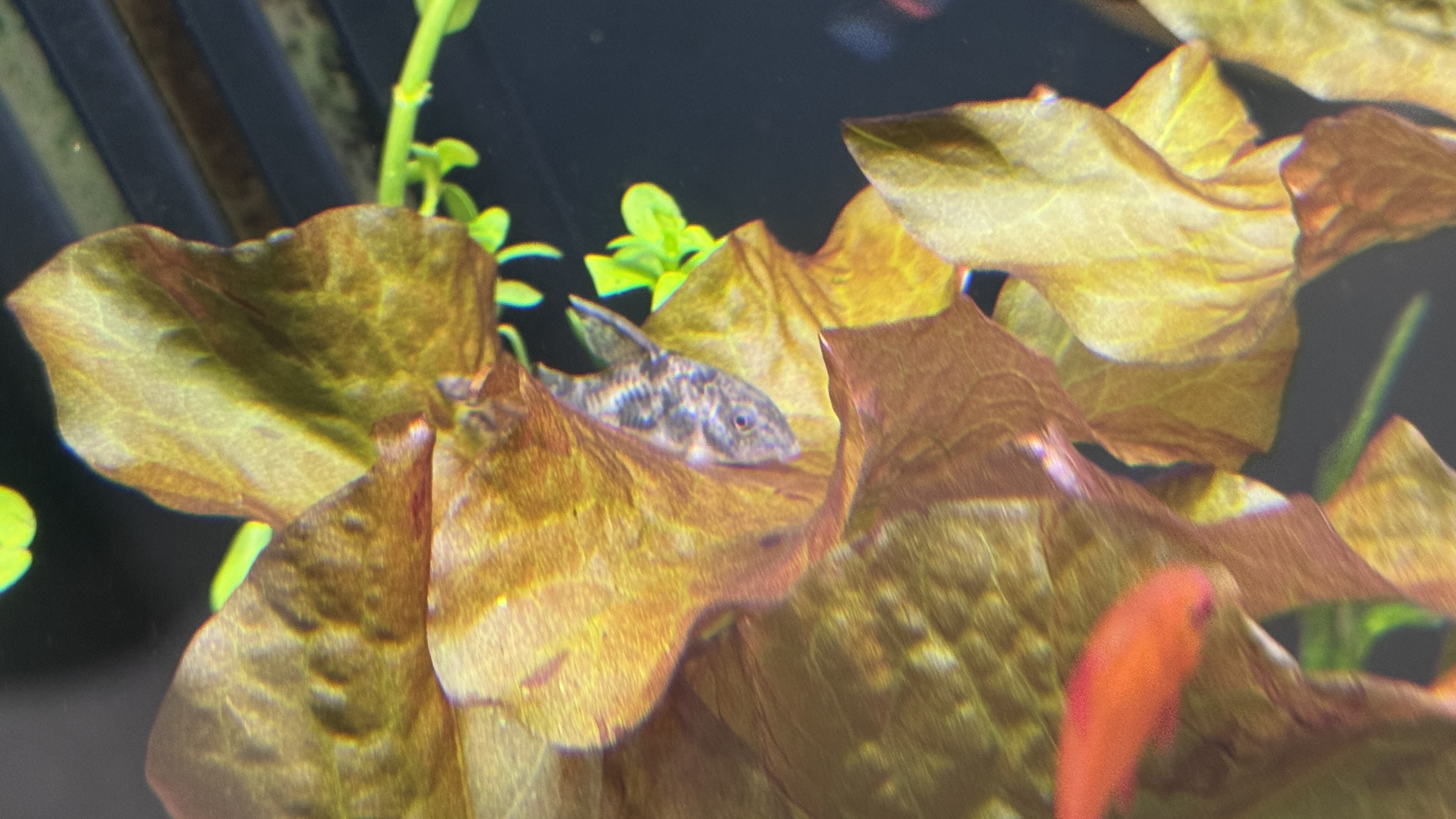
None of these mistakes looks huge on its own. Together, they are why some people think Corys are shy or boring.
In the right setup, they are neither.
Corydoras and Tankmates
Corydoras work well with a wide range of peaceful community fish. Tetras, rasboras, peaceful livebearers, and many other non-aggressive species pair well with them.
But “peaceful” does not always mean “good fit.”
Some fish do not bother Corys directly, but still make life harder for them by beating them to every meal. Some tanks are simply too warm for most Cory species. Some bottom-dwellers crowd the same space and create stress even without obvious aggression.
Species choice matters here.
Sterbai fit warmer tanks better than most. Dwarf species fit smaller tanks better. One solid group of the same species almost always looks and works better than a mixed group.
Breeding Corydoras
Corydoras are one of the more approachable breeding projects in freshwater fishkeeping.
Feed them well with protein-rich foods like bloodworms or brine shrimp, then follow with a partial water change using slightly cooler water. That often triggers spawning behavior. Many hobbyists soon find eggs on the glass or other surfaces.
It does not happen every time, but Corys give hobbyists a realistic shot at seeing breeding behavior without needing an overly complicated setup.
A Good Community Tank Is Better With Corys
Corydoras are not filler fish.
They help clean up uneaten food. They use the space that many tanks leave empty. They stay peaceful with almost everything. Most of all, they bring life and activity to the bottom of the aquarium in a way few other fish do.
If you are building a community tank, do not ignore the bottom. For many hobbyists, corydoras catfish for community tanks are one of the smartest additions to a peaceful freshwater aquarium
Choose a species that fits your setup. Start with at least six of the same kind. Give them sand or smooth substrate. Feed them on purpose. Then watch how much better the tank feels once they settle in.
Your community tank will be better for it.
Happy Fishkeeping,
Ray & Michelle
Care requirements vary by species. Always research the exact Corydoras you plan to keep, and make sure your tank is fully cycled before adding any fish.
We carry multiple Corydoras species and almost always have Panda Corys, Sterbai, and Albino Aeneus in stock. They sell in groups — call ahead if you want a specific species and count before you make the trip.
See This Week's Fish: finsforgrins.com/newfishday
Visit Us: 1312 N. Elm Pl., Broken Arrow | (918) 578-9142 | Mon–Fri 10am–7pm, Sat–Sun 10am–6pm
Corydoras Catfish FAQ: New Hobbyists
Are Corydoras good beginner fish?
Yes. Many species are hardy, peaceful, and well-suited to a standard community tank. They are one of the best choices for hobbyists who want a bottom fish that is active, useful, and easy to enjoy.
Do I need to cycle my tank before adding Corydoras?
Yes. Corydoras should never go into an uncycled tank. Ammonia and nitrite are hard on all fish, and Corys are no exception. Make sure the tank is fully cycled and stable before adding them. If you need more on cycling an aquarium, check out our Nitrogen Cycle post.
How many Corydoras should I keep?
At least six of the same species. Bigger groups often look even better. A proper group stays out more, acts more naturally, and shows much more personality.
What size tank do I need for Corydoras?
A 20-gallon long is a good starting point for a school of six standard-sized Corys. Dwarf species like Pygmy Corys fit better in 10 to 15 gallon setups. Longer tanks are better than tall tanks because Corys use floor space more than height.
Do Corydoras clean the tank?
Not in the way many people think. They help pick up uneaten food on the bottom, but they do not replace maintenance, fix algae, or make overfeeding okay.
What should I feed Corydoras?
Feed sinking pellets, wafers, and occasional frozen foods like bloodworms or brine shrimp. Do not assume leftovers are enough, especially in tanks with faster feeders.
Can I keep Corydoras on gravel?
Only if it is very smooth and fine. Sand is the better choice. It protects their barbels and brings out more natural behavior.
Can I keep just one or two Corydoras?
No. Corys are schooling fish. Small numbers usually lead to shy behavior and a lot less activity.
Corydoras Catfish FAQ: Experienced Fishkeepers
Can I mix different Corydoras species together?
You can keep different species in the same tank, but they usually do best in species-specific groups. Mixed groups often do not school as tightly or show the same confidence.
Which Corydoras work best with discus?
Sterbai Corys are one of the best options because they handle warmer water better than most other Cory species.
Will Corydoras disturb a planted tank?
Not in any major way. They forage through the substrate, but established plants usually do fine. In many planted tanks, their activity adds life without causing problems. New to planted aquariums? Check out our Top 10 Plants for a Beginner blog post.
Do Corydoras need low flow?
They do better with calmer areas in the tank. Moderate filtration is fine, but they should have places where they are not fighting current all day.
What are the signs that a Corydoras is not doing well?
Watch for worn barbels, hollow bellies, inactivity, rapid breathing, and fish that hide constantly or separate from the group.
Are Corydoras good for nano tanks?
Some are. Pygmy Corys and Salt and Pepper Corys are much better choices for smaller tanks than standard-sized species. Even then, they still need a proper group.
How do you trigger Corydoras to breed?
Feed them well with protein-rich foods, then do a partial water change with slightly cooler water. That often triggers spawning behavior.