
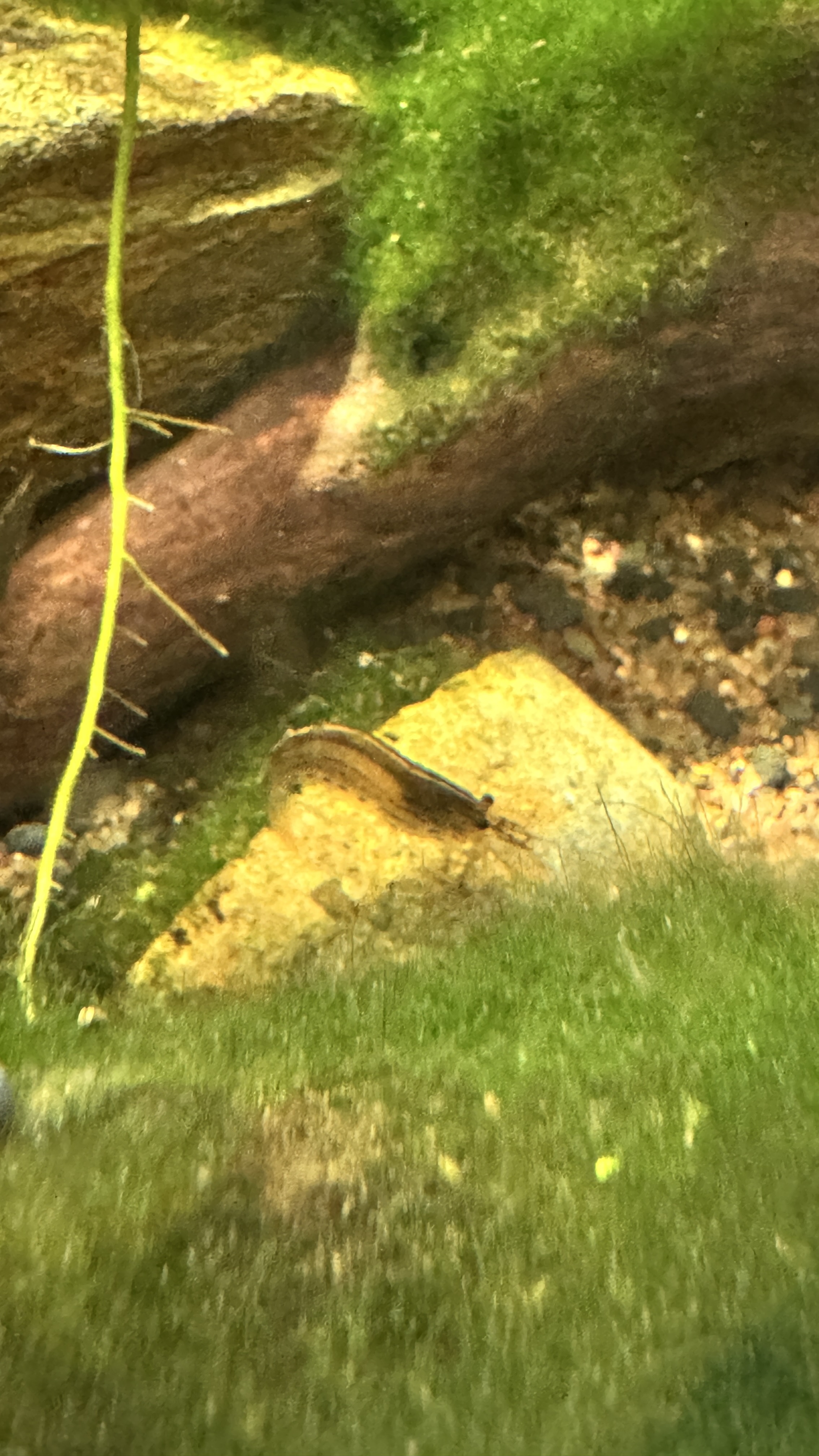
If your glass is covered in hair algae and nothing you've tried has made a dent, you're probably missing the one invertebrate that actually handles it. Amano shrimp (Caridina multidentata) are the undisputed heavyweight champions of the freshwater clean-up crew — and the best algae eaters most hobbyists aren't using enough of. Popularized by legendary aquascaper Takashi Amano, these industrious scavengers have earned a near-mythical reputation in the planted tank hobby. This Amano shrimp care guide covers everything you need to get them thriving from day one.
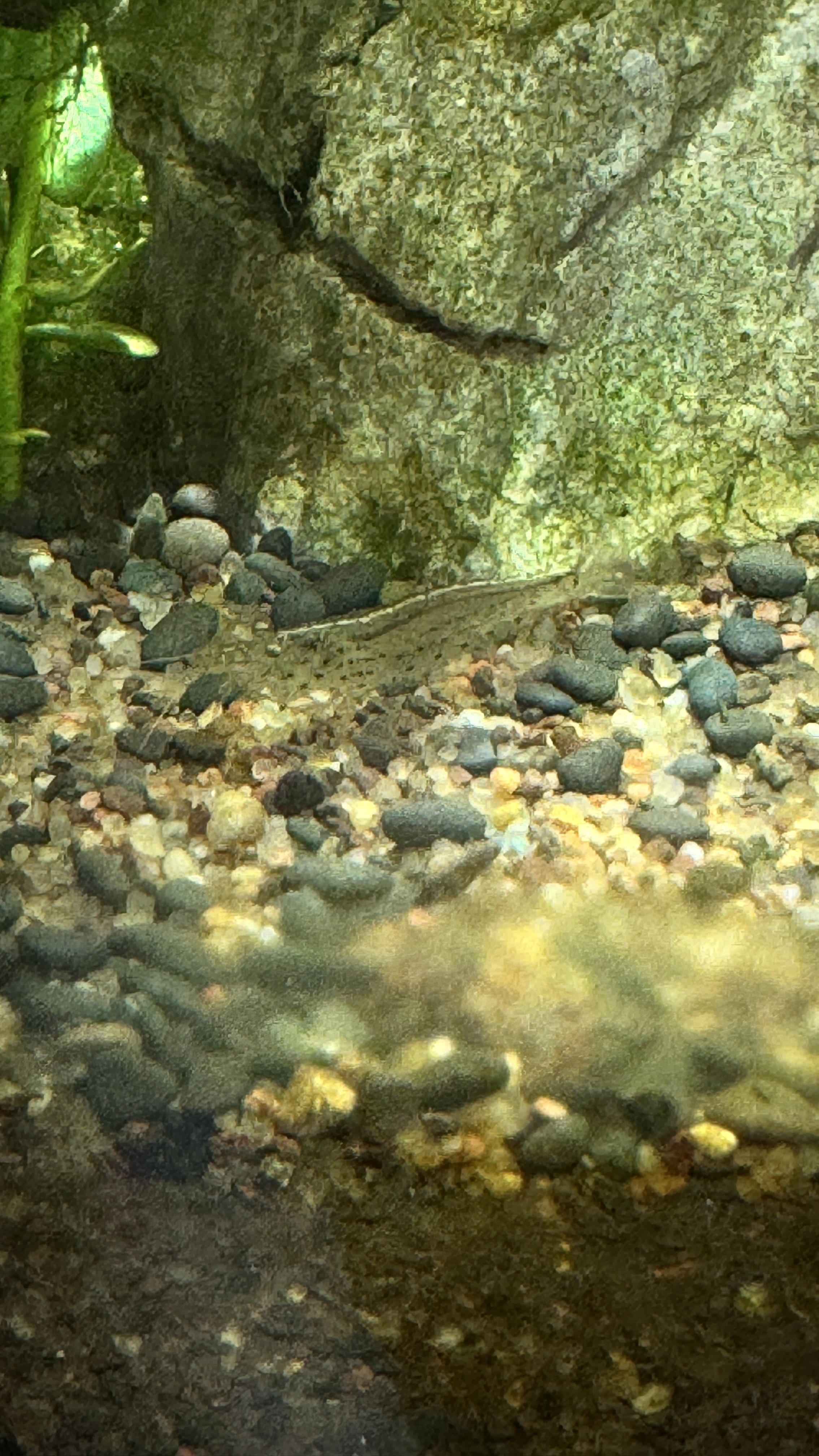
What Makes Amano Shrimp the Best Freshwater Algae Eaters?
Amano shrimp (Caridina multidentata) are native to East Asia and are widely regarded as the gold standard freshwater algae eaters for planted aquariums. Unlike many algae-eating species that graze selectively, Amano shrimp actively pursue hair algae and string algae — two of the most stubborn problem algae in the hobby — while simultaneously consuming biofilm, detritus, and decaying plant matter.
In short, they work constantly, they work thoroughly, and they don't ask for much in return.
Amano Shrimp Tank Setup: What They Actually Need
Amano shrimp are forgiving, but they reward good husbandry with better health and longevity. They can survive in a 5-gallon tank, but a 10-gallon tank or larger is strongly recommended for a small group to prevent overcrowding and maintain stable water parameters.
The ideal environment includes:
Dense planting with moss, broad-leaf plants, and driftwood
Plenty of biofilm surface area for grazing between meals
Moderate water current with strong oxygenation
Secure lid — Amano shrimp are escape artists
Amano Shrimp Care Guide: Water Parameters
Stable water chemistry is the single most important factor in a successful Amano shrimp care setup. Here are the target parameters:
⚠️ Critical Warning: Never use copper-based medications in any tank housing Amano shrimp. Copper is acutely toxic to all invertebrates and lethal even at low concentrations. This is a non-negotiable rule in invertebrate keeping.
Consistency matters more than hitting exact numbers. Swinging parameters stress shrimp far more than stable "imperfect" water.
Feeding Your Amano Shrimp: Diet and Nutrition Guide
Amano shrimp are opportunistic omnivores, not strict herbivores. Their natural diet includes:
Algae: Hair algae, string algae, spot algae, and soft green algae
Biofilm: Their primary food source in a mature, well-planted tank
Detritus: Fish waste, decaying plant matter, uneaten fish food
If your tank runs too clean, supplement with:
Algae wafers or spirulina-based shrimp pellets
Blanched vegetables — zucchini, spinach, and cucumber work well
Calcium-rich foods such as Hikari Crab Cuisine to support healthy molting
A well-fed Amano shrimp is a working Amano shrimp. Don't let them go hungry or they'll stop doing their job.
Molting: The Most Misunderstood Part of Amano Shrimp Care
🦐 Pro-Tip: Don't Panic When They Molt Every 4–6 weeks, Amano shrimp shed their entire exoskeleton as they grow. You'll find a translucent, hollow, shrimp-shaped shell on the substrate. Your shrimp is not dead — it's hiding while its new shell hardens, which takes 24–72 hours. Leave the molt in the tank. The shrimp will eat it to reclaim calcium and essential minerals. Removing it works against them.
⚠️ If your shrimp's body appears white or opaque after molting, that is not normal. It can indicate muscular necrosis — a serious stress response often linked to low GH, sudden parameter swings, or mineral deficiency. Check your GH immediately and review your water stability before the next molt cycle.
Tankmates: Who Plays Well With Amano Shrimp?
Amano shrimp are peaceful and do well in most community setups. Safe tankmates include:
Small tetras, rasboras, and danios
Corydoras and other small bottom-dwellers
Dwarf gouramis (with caution — monitor behavior)
Snails and other peaceful invertebrates
Avoid: Any fish large enough to fit a shrimp in its mouth. Cichlids, large barbs, goldfish, and aggressive species will view your shrimp as expensive live food.
Can You Breed Amano Shrimp at Home?
This is one of the most frequently asked questions in any Amano shrimp care guide — and the honest answer is: it's genuinely difficult.
Females regularly carry eggs and become visibly "berried," but the larvae require brackish water (a specific mix of fresh and salt water) to survive their early developmental stages. Replicating this in a home aquarium demands a dedicated breeding setup. Because of this complex lifecycle, nearly all Amano shrimp in the hobby are wild-caught or commercially raised in specialized facilities.
Set your expectations accordingly: these are not a self-sustaining colony. Plan to purchase replacements over time.
Are Amano Shrimp Worth It? The Honest Verdict
Yes — and it's not particularly close.
At just a few dollars each, Amano shrimp offer algae control, tank maintenance, and visual interest that would otherwise require chemicals, manual scrubbing, or less effective algae-eating species. A group of six to ten in a well-planted tank will make a visible difference within days.
Keep your water stable. Skip the copper. Feed them well. Let them work.
Amano shrimp are one of the smartest, lowest-cost investments you can make in a planted aquarium — and once you've kept them, you'll wonder how you ever managed without them.
Frequently Asked Questions: Amano Shrimp Care
Q1: How many Amano shrimp should I add to my tank?
A good starting point is a group of 6–10 Amano shrimp for most community tanks. Amano shrimp are social and more active — and more effective at controlling algae — when kept in groups rather than as singles or pairs. For very large tanks, resist the urge to scale up proportionally. A group of 10 handles algae in a 75-gallon tank just as well as a group of 25, with far less bioload to manage.
Q2: Why are my Amano shrimp hiding and not eating?
New Amano shrimp almost always hide for the first few days while they acclimate to their new environment. This is normal. If hiding persists beyond a week, check your water parameters first — ammonia, nitrite, and GH are the most common culprits. Also rule out aggressive tankmates harassing them away from feeding areas.
Q3: How long do Amano shrimp live?
With stable water parameters and a good diet, Amano shrimp typically live 2 to 3 years in a home aquarium — sometimes longer. Their lifespan is directly tied to the consistency of water quality. Swinging parameters shorten their lives faster than almost anything else.
Q4: Will Amano shrimp eat my live plants?
Healthy, established plants are generally safe. Amano shrimp prefer algae, biofilm, and decaying matter over healthy plant tissue. However, if they are underfed or your tank lacks sufficient algae and biofilm, they may nibble on tender new growth. Keep them well-fed, and this is rarely a problem.
Q5: Can Amano shrimp live with bettas?
It depends entirely on the individual betta's temperament. Some bettas ignore shrimp completely; others treat them as prey. If you want to try it, a tank of 20 gallons or more with dense planting gives shrimp enough hiding space to survive a curious betta. Start with a group rather than one or two, and monitor the first 48 hours closely. There are no guarantees with this pairing.
Keep Learning With Fins For Grins
If this Amano shrimp care guide helped you, there's plenty more where that came from. At Fins For Grins, we break down freshwater fishkeeping into honest, practical advice — no fluff, no filler.
If this Amano shrimp care guide helped you, there's plenty more where that came from. At Fins For Grins, we break down freshwater fishkeeping into honest, practical advice — no fluff, no filler.
Amano shrimp are frequently kept alongside Neocaridina — if you're thinking about adding cherry shrimp to the same tank, start with our Cherry Shrimp Care Guide. And if you're still cycling a new tank, the Aquarium Nitrogen Cycle guide is required reading before you add any livestock.
Come See Us at Fins For Grins
Have questions about Amano shrimp or need help setting up your tank? Come find us in person — we're always happy to talk shop.
📍 1312 N. Elm Pl, Broken Arrow, OK 📞 (918) 578-9142
We'd love to help you get your tank thriving.
Happy Fishkeeping,
Ray & Michelle