
When I first started my freshwater aquarium journey, I quickly realized that lighting was more than just a way to see my fish. Aquarium lighting plays a crucial role in the health and beauty of your aquatic environment. It affects everything from fish behavior to plant growth and even the overall ecosystem balance. In this post, I want to share why aquarium lighting importance cannot be overstated and how you can make the best choices for your tank.
Why Aquarium Lighting Importance Matters
Aquarium lighting is essential because it mimics natural sunlight, which is vital for the survival of many aquatic organisms. Without proper lighting, plants cannot photosynthesize, and fish may become stressed or lose their vibrant colors. The right lighting also helps regulate the day-night cycle, which influences fish activity and feeding patterns.
For example, if you have live plants in your tank, they need light to convert carbon dioxide and nutrients into oxygen and energy. This process supports not only the plants but also the fish by maintaining water quality. On the other hand, too much light can cause algae overgrowth, which can be harmful and unsightly.
Understanding aquarium lighting importance means balancing intensity, duration, and spectrum to create a healthy environment. This balance helps your aquarium thrive and look stunning.
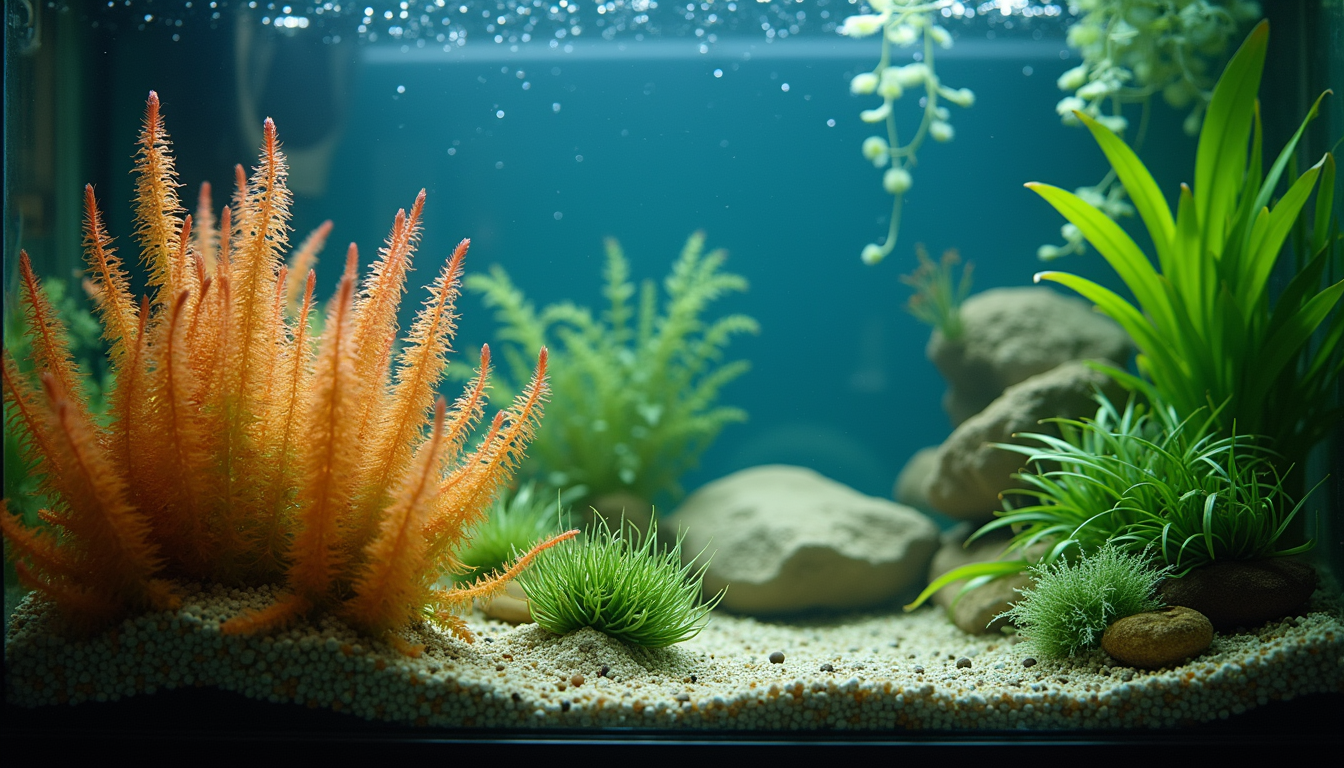
Types of Aquarium Lighting and Their Benefits
There are several types of aquarium lighting to choose from, each with its own advantages. Knowing these options helps you pick the best fit for your tank setup.
LED Lighting: This is the most popular choice today. LEDs are energy-efficient, long-lasting, and produce less heat. They come in various color spectrums, allowing you to customize the light to suit your plants and fish. LEDs also offer adjustable brightness and timers, making them very convenient.
Fluorescent Lighting: These lights are affordable and provide good light for plant growth. However, they tend to have a shorter lifespan and generate more heat compared to LEDs.
Incandescent Lighting: Generally not recommended for aquariums because they produce too much heat and are inefficient.
Metal Halide Lighting: These provide intense light and are suitable for deep tanks or those with demanding plants. They consume more power and generate heat, so they require proper ventilation.
Choosing the right type depends on your aquarium size, the species you keep, and your budget. For most freshwater tanks, LED lighting offers the best combination of performance and cost-effectiveness.
How to Set Up Aquarium Lighting for Optimal Results
Setting up your aquarium lighting correctly is key to maximizing its benefits. Here are some practical tips I’ve learned:
Determine the Lighting Duration
Most freshwater aquariums do well with 6 to 8 hours of light per day. This mimics natural daylight and helps prevent algae growth. Using a timer can automate this process and keep a consistent schedule.
Adjust Light Intensity
Plants prefer moderate to high light, but too much can stress fish and encourage algae growth. Start with a moderate setting and observe your tank’s response. If plants look pale or leggy, increase the light. If algae blooms, reduce it.
Choose the Right Spectrum
Full-spectrum lights that include blue and red wavelengths support photosynthesis and enhance fish colors. Some LED fixtures allow you to adjust the spectrum, which is a great feature for fine-tuning your tank’s look.
Position the Lights Properly
Place lights directly above the tank to ensure even coverage. Avoid shadows or dark spots where plants might struggle.
Consider Your Aquarium’s Location
Avoid placing your tank in direct sunlight, which can cause temperature fluctuations and algae problems.
By following these steps, you can create a balanced lighting environment that supports both plants and fish.
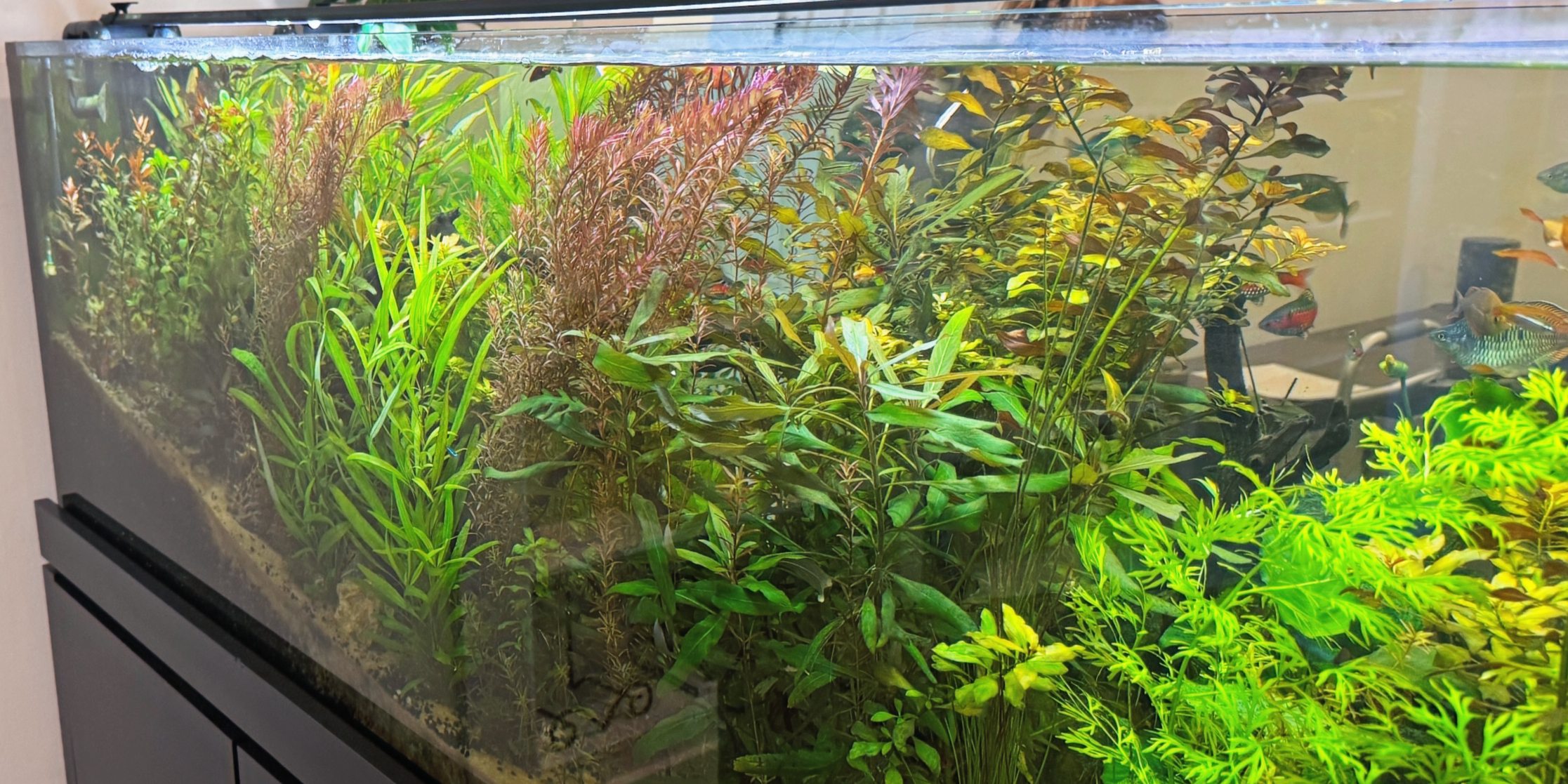
Common Lighting Mistakes to Avoid
Even with the best intentions, it’s easy to make mistakes with aquarium lighting. Here are some pitfalls to watch out for:
Overlighting: Leaving lights on too long or using overly intense bulbs can lead to algae overgrowth and stressed fish.
Underlighting: Insufficient light can stunt plant growth and dull fish colors.
Ignoring the Light Spectrum: Using lights that don’t support plant photosynthesis can cause plants to die off.
Not Using a Timer: Inconsistent lighting schedules confuse fish and plants, disrupting their natural rhythms.
Neglecting Maintenance: Dust and water spots on light covers reduce light penetration. Clean your fixtures regularly.
Avoiding these mistakes will help you maintain a healthy and beautiful aquarium.
Enhancing Your Aquarium with Lighting Accessories
Once you have the basics down, you can explore accessories that enhance your aquarium lighting setup:
Timers: Automate your lighting schedule for consistency.
Dimmers: Adjust brightness to suit different times of day or tank needs.
Reflectors: Increase light efficiency by directing more light into the tank.
Moonlights: Provide low-level blue light at night to simulate moonlight, which can reduce fish stress and create a natural ambiance.
Light Controllers: Advanced systems allow you to simulate sunrise, sunset, and even weather effects.
These tools help you create a dynamic and natural environment that benefits your aquatic life.
Lighting and Aquarium Ecosystem Health
Proper lighting is a cornerstone of a thriving aquarium ecosystem. It supports photosynthesis, which produces oxygen and helps maintain water quality. Healthy plants absorb nitrates and other waste products, reducing the need for frequent water changes.
Fish also benefit from a well-lit environment. They display natural behaviors, maintain vibrant colors, and experience less stress. Lighting influences breeding cycles and feeding habits, making it an important factor in successful fishkeeping.
By understanding and applying the principles of aquarium lighting importance, you can create a balanced ecosystem that supports all your aquatic inhabitants.
Bringing It All Together for Your Aquarium
Lighting is more than just a practical necessity - it’s a way to bring your aquarium to life. When you get it right, your tank becomes a vibrant, dynamic display that you can enjoy every day. Remember to:
Choose the right type of lighting for your tank size and inhabitants.
Set a consistent lighting schedule with appropriate intensity and spectrum.
Avoid common mistakes like overlighting or neglecting maintenance.
Use accessories to enhance and customize your lighting setup.
If you’re in the Tulsa area and looking for expert advice or quality freshwater fish and aquarium supplies, Fins For Grins is a fantastic resource. They’re dedicated to helping hobbyists of all levels create thriving aquatic environments.
With the right lighting, your aquarium will not only look stunning but also provide a healthy home for your fish and plants. Happy fishkeeping!
If you want to learn more about aquarium lighting or need help selecting the perfect setup, feel free to reach out or visit your local aquarium store. Lighting truly makes all the difference in creating a beautiful and balanced freshwater aquarium.